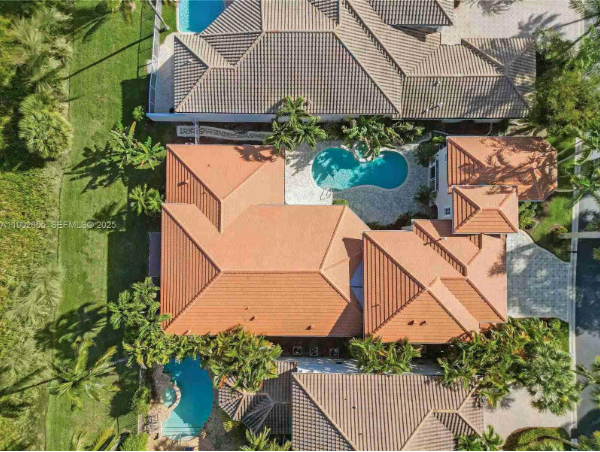
Managing a multi-family property comes with significant responsibilities, especially when it comes to maintaining structural integrity. One of the most critical components of any residential complex is the roofing system. Regular Multi Family Roofing Inspections help property owners and managers identify issues early, prevent costly damage, and extend the lifespan of their roofs.
The Unique Challenges of Multi-Family Properties
Unlike single family homes, multifamily buildings such as apartment complexes, condominiums, and townhome communities experience higher levels of wear and tear. Larger surface areas, increased foot traffic from maintenance teams, HVAC installations, and varying weather exposure can accelerate roof deterioration.
Because multiple residents depend on one roofing system, even minor issues can quickly escalate into widespread problems. A small leak in one section may lead to interior water damage across several units if not addressed promptly.
This is why consistent inspections are not optional but essential.
Early Detection Prevents Costly Repairs
Routine roofing inspections allow professionals to detect early signs of damage, including:
- Cracked or missing shingles
- Ponding water on flat roofs
- Damaged flashing around vents and chimneys
- Membrane punctures
- Signs of mold or moisture intrusion
When these issues are caught early, repairs are typically minor and affordable. Delaying inspections often results in structural damage, insulation problems, and interior ceiling repairs that significantly increase expenses.
Preventive maintenance is always more cost effective than emergency restoration.
Extending Roof Lifespan
Roofs on multi-family properties represent a substantial investment. Regular inspections help maximize that investment by extending the roof’s lifespan. Small maintenance adjustments such as sealing minor cracks or reinforcing vulnerable areas can add years of durability.
Without inspections, gradual wear may go unnoticed until a full roof replacement becomes unavoidable.
Property managers who prioritize inspections often avoid premature replacements and better manage long term budgeting.
Protecting Tenant Safety and Satisfaction
Tenant comfort and safety should always be a top priority. Roofing issues can disrupt residents through leaks, water stains, ceiling damage, and mold growth. These problems not only create inconvenience but can also affect air quality and living conditions.
By scheduling consistent inspections, property managers demonstrate proactive care. This builds trust with residents and reduces complaints or potential liability concerns.
A well-maintained roof supports a positive living environment.
Compliance and Insurance Considerations
Insurance providers often require proof of regular maintenance and inspections for multifamily properties. Documentation of professional roofing evaluations can support claims in the event of storm damage or unexpected failures.
In some areas, building codes and property regulations may also require ongoing maintenance checks. Staying compliant protects property owners from penalties and legal complications.
Routine inspections create a documented history of responsible property management.
Weather and Environmental Impact
Florida’s climate, for example, includes intense sun exposure, heavy rainfall, humidity, and hurricane risks. These conditions place significant stress on roofing materials. Multi-family properties must withstand these environmental pressures year-round.
Professional inspections assess storm damage, drainage performance, and structural resilience. Identifying vulnerabilities before severe weather hits can prevent catastrophic failures.
Planning for Future Replacements
Even with excellent maintenance, all roofs eventually reach the end of their service life. Inspections provide insight into overall roof condition and remaining lifespan. This allows property owners to plan for replacement in advance rather than reacting to sudden failure.
Strategic planning reduces financial strain and ensures minimal disruption to tenants during major roofing projects.
Conclusion
Multi-family properties require a proactive approach to roof maintenance. Regular Multi Family Roofing Inspections help detect issues early, protect tenant safety, extend roof lifespan, and ensure compliance with insurance and regulatory standards.
By investing in professional evaluations, property owners safeguard their buildings, control long term costs, and maintain structural reliability for years to come.